



Elevated Liver Enzymes
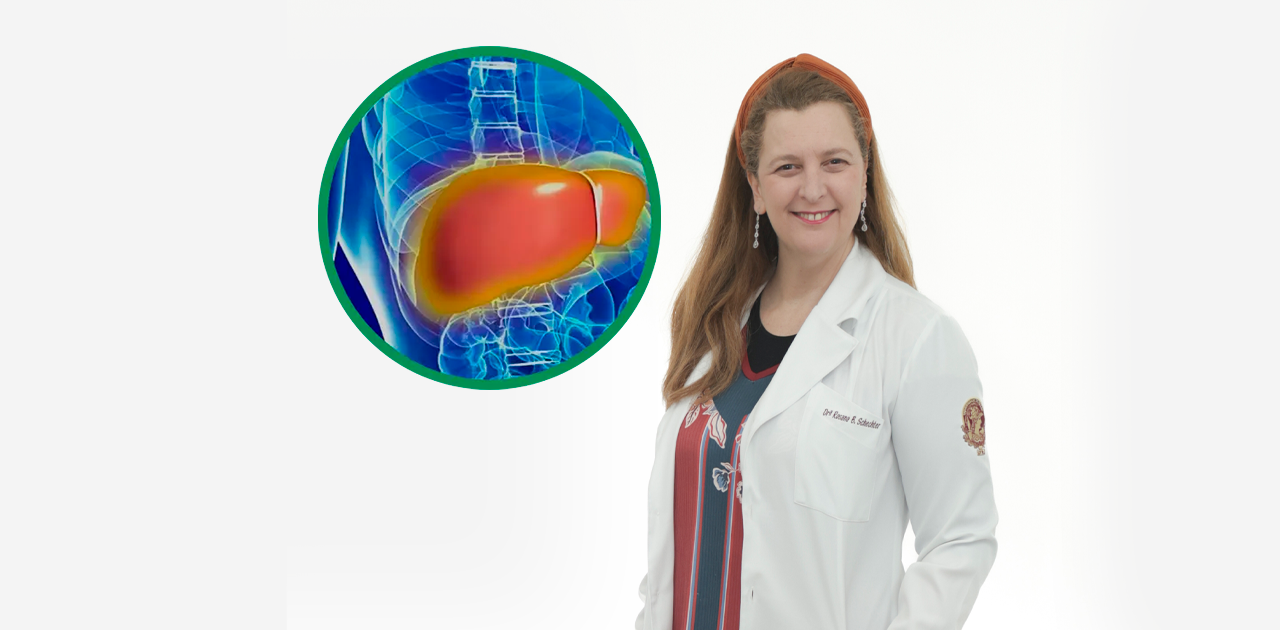
Dra. Rosana Schechter is a gastroenterologist in Israel, specializing in digestive diseases and digestive motility. Elevated liver enzymes are often a sign that something is not functioning correctly in the organ. These enzymes, such as ALT (alanine aminotransferase) and AST (aspartate aminotransferase), are released into the bloodstream when liver cells are damaged.
What is the increase in liver enzymes?
The increase in liver enzymes occurs when the levels of enzymes like ALT and AST are elevated in the blood. These enzymes are released by liver cells when there is liver damage or inflammation. The elevation indicates that the liver is being affected by conditions such as hepatitis, fatty liver, or cirrhosis, requiring medical investigation to determine the cause.
Reference levels of main enzymes
The reference levels of main liver enzymes can vary depending on the laboratory.
Why are liver enzymes important?
Liver enzymes are essential for the body’s metabolic process. They help break down proteins and convert nutrients into energy. When the liver is damaged, such as by inflammation or liver diseases, these enzymes are released into the bloodstream, serving as indicators that something is wrong with the organ. Monitoring these enzymes is crucial to detect problems early.
What causes changes in liver enzymes?
Elevated liver enzymes can be caused by several conditions affecting the liver. Common causes include viral hepatitis (such as hepatitis B and C), excessive alcohol consumption, fatty liver (steatosis), cirrhosis, autoimmune hepatitis, and the use of medications that may harm the liver. Metabolic disorders, such as metabolic syndrome, are also associated with increased liver enzymes.
What are the symptoms of elevated liver enzymes?
Elevated liver enzymes do not always present obvious symptoms, but when they do, they may indicate that the liver is undergoing some form of injury or inflammation. Symptoms depend on the cause and may include excessive fatigue, pain in the right side of the abdomen, jaundice (yellowing of the skin and eyes), dark urine, light-colored stools, and loss of appetite.
What happens when liver enzymes increase?
When liver enzymes increase, it indicates that liver cells are being damaged or inflamed, releasing substances like ALT, AST, and GGT into the blood. This increase can be temporary, as in the case of viral hepatitis, or it may signal chronic issues, such as cirrhosis or damage caused by toxic substances. Treatment and medical follow-up are essential to avoid more serious complications.
Why does a healthcare professional check liver enzymes?
A healthcare professional checks liver enzymes to assess liver function and detect possible damage or inflammation. This test helps diagnose conditions like hepatitis, cirrhosis, fatty liver, and other liver diseases. Additionally, it is used to monitor treatment efficacy in patients with liver diseases, identify side effects of medications, and follow up on pre-existing conditions.
Care and Treatment
The treatment for elevated liver enzymes depends on the underlying cause. In many cases, lifestyle changes, such as reducing alcohol consumption, losing weight, adopting a healthy diet, and managing diseases like diabetes, can help improve liver function. Additionally, treatment may include antiviral medications for hepatitis or drugs to reduce liver inflammation. Medical follow-up is essential to monitor enzyme levels and ensure treatment effectiveness.
Can elevated liver enzymes be prevented?
Although not all causes of elevated liver enzymes can be prevented, many can be avoided with lifestyle changes. Maintaining a healthy weight, exercising regularly, avoiding excessive alcohol consumption, and adopting a nutrient-rich balanced diet help maintain liver health. Additionally, vaccination against hepatitis and monitoring medications that affect the liver are important preventive measures.
How to take care of liver health?
Taking care of liver health involves adopting healthy habits that protect the organ from damage. This includes avoiding excessive alcohol consumption, maintaining a balanced diet rich in fruits, vegetables, and fiber, and controlling body weight. Regular exercise and managing diseases like diabetes and high blood pressure are also essential. Periodic check-ups and routine exams are crucial to monitor liver health and detect problems early.
Conclusion
Elevated liver enzymes are an important sign that something is not functioning correctly in the liver. Although they may not always cause obvious symptoms, they can indicate serious conditions, such as hepatitis, fatty liver, or even cirrhosis. Early detection and proper treatment are essential to prevent complications. With lifestyle changes, regular medical follow-up, and, when necessary, medication, it is possible to control and treat changes in liver enzymes.
Schedule your appointment with Dr. Rosana Schechter.
Gastroenterologist in Israel, specialist in digestive motility and digestive diseases.
Dr. Rosana offers in-clinic consultations, home visits in selected regions of Israel, and teleconsultations for patients anywhere in Brazil and around the world.
If you are looking for a reliable diagnosis, personalized treatment, or wish to obtain a second medical opinion from an experienced specialist, contact us today.
Frequently Asked Questions –Elevated Liver Enzymes
What can cause elevated liver enzymes?
Elevated liver enzymes can be linked to various conditions: fatty liver, viral hepatitis, alcohol consumption, use of certain medications, autoimmune diseases, overweight, metabolic disorders, and even overload of supplements or herbal remedies.
What does it mean to have elevated liver enzymes?
It means there has been injury or inflammation to the liver cells, releasing these enzymes into the bloodstream. It does not always indicate something serious, but it is a warning sign that requires medical investigation to identify the cause.
What to do to lower liver enzymes?
The approach depends on the identified cause. It may involve dietary changes, reducing alcohol, losing weight, adjusting medications, and treating hepatitis or metabolic diseases. Specialized follow-up ensures the appropriate strategy is chosen.
What does it mean to have elevated ALT (TGP) and AST (TGO)?
AST (TGO) and ALT (TGP) are enzymes produced by the liver. When elevated, they suggest that the liver has suffered some form of damage, such as inflammation, fat accumulation, infection, or the use of toxic substances.
Can elevated ALT (TGP) indicate liver cancer?
Isolated elevated ALT levels do not mean cancer. They are more commonly associated with inflammation or liver injury. The diagnosis of liver cancer depends on additional tests, such as ultrasound, CT scan, MRI, and specific markers.
When is AST (TGO) concerning?
AST is concerning when its levels are persistently elevated or significantly above the normal range, especially when associated with elevated ALT and other tests. This can indicate hepatitis, muscle diseases, or even heart overload.
When is ALT (TGP) considered hepatitis?
Elevated ALT is considered indicative of hepatitis when it is above 10 times the reference value and is accompanied by symptoms (such as jaundice, abdominal pain, and fatigue) or positive serology for hepatitis viruses.
How to lower AST (TGO) and ALT (TGP) quickly?
There is no single or immediate way. Treatment consists of addressing the cause of the abnormality (controlling hepatitis, reducing alcohol, adjusting medications, losing weight, managing fatty liver). Normalization occurs as the liver recovers.
When does GGT indicate cancer?
GGT is an enzyme primarily related to alcohol use, obesity, medications, or liver diseases. Its elevation, in isolation, is not indicative of cancer. It serves as an auxiliary marker in investigations but needs to be evaluated alongside other tests.
How can I treat elevated liver enzymes with Dr. Rosana?
Dr. Rosana Schechter offers detailed evaluation for patients with liver changes:
- In-person consultation in Israel, with laboratory and imaging test requests.
- Home care services in Israel, bringing medical care to the patient’s home.
- Teleconsultation available across Brazil for investigation, guidance, and follow-up of cases remotely.
- Second medical opinions, assisting patients who already have altered tests and wish for a review of proposed approaches.
Other Articles
Occult blood in stool can indicate serious gastrointestinal diseases. Dr. Rosana investigates and treats with precision and care.
Elevated liver enzymes can indicate liver problems. Dr. Rosana investigates the causes and provides appropriate, individualized treatment.
Iron deficiency can cause fatigue and anemia. Dr. Rosana Schechter investigates causes and offers safe, individualized treatment.
Where am I?
EliteMed Specialist Clinic
Haret Street 12,
Building B, 5th floor
Modi'in Macabim Reut
(Ayala 360 complex)
Tel: 073-321-4181
Online consultation
+972 55-775-9259
Service hours:
Sunday to Thursday
from 6:00 AM to 5:00 PM
(Brasília time)
8:00 AM to 8:00 PM
(Tel Aviv time)
Follow me on social media
Contact me
Main Diagnoses
- Hiatal Hernia
- Gastroesophageal Reflux
- Reflux Esophagitis
- Achalasia
- Gastric Ulcer
- Duodenal Ulcer
- Helicobacter pylori
- Fatty Liver Disease
- Gallstones
- Irritable Bowel Syndrome
- Inflammatory Bowel Disease
- Crohn’s Disease
- Retocolite Ulcerativa
- Ulcerative Colitis
- Diverticulosis
- Diverticulitis
- Intestinal Polyps
- Colorectal Cancer
- Hemorrhoids